 Sustainability has become a hot topic in the corporate board rooms across the globe in the past year. The World Economic Forum held a virtual forum for business leaders to determine a set of Stakeholder Capitalism Metrics – universal, comparable disclosures that focused on people, planet, prosperity and governance on which companies can report, regardless of industry or region. This was held in January 2020 with a direct result of a consultant paper “Toward Common Metrics and Consistent Reporting of Sustainable Value Creation being produced and discussed going forward.
This consultative work continued with a White paper in September 2021, “Measuring Stakeholder Capitalism Towards Common Metrics and Consistent Reporting of Sustainable Value Creation.
Recently, this had a following on with a beneficial further white paper in March 2021 called “A Leapfrog Moment for China in ESG Reporting“, which provides all involved or interested in Sustainability to refer to. I will be coming back to this particular report at another time. What caught my attention was singling out China and how many of their leading organizations are undertaking sustainability into their corporate goals, plans and operations.
Within these three documents, you gain a handy set of insights to build a sustainable pathway.

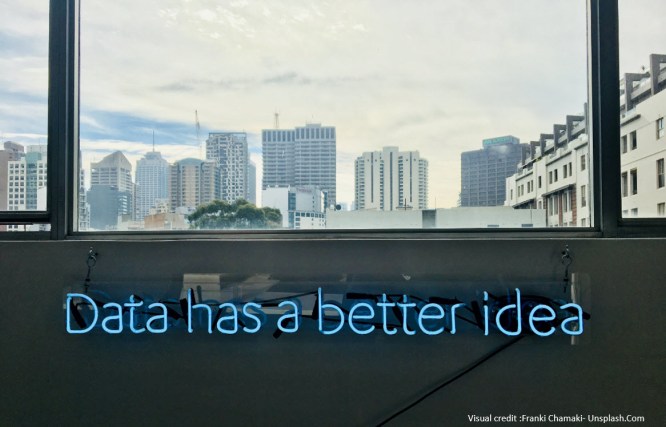 So, what is the future for humanity, and where does technology with a purpose fit? Can we envision a new era of sustainability powered by IoT?
 I recently listened to a great topic from a panel of experts that certainly opens all our thinking to all the possibilities ahead of us in the Industrial IoT world.


 Ecosystems hold a certain fascination for me. The ecosystem approach can tackle and help resolve some of the more complex issues we face.
